
Meet the Deciding2Decide Team
Deciding2Decide brings together researchers from five research sites across Germany, Spain, and India. Our interdisciplinary team combines expertise in computational psychiatry, clinical research, neuroimaging, cognitive neuroscience, and animal models.
Tübingen – University Hospital Tübingen (UKT)
The University Hospital Tübingen is one of Germany’s leading centres for clinical research and neuroscience. Within Deciding2Decide, the Department of Psychiatry and Psychotherapy coordinates the international consortium and leads research into the computational and neural mechanisms underlying decision-making in mental health.

Prof. Tobias Hauser
Principal Investigator
Tobias leads the Deciding2Decide project and investigates computational mechanisms underlying decision-making and mental health.

Laura Kübler
Research Coordinator
Laura ensures smooth communication, alignment of research activities, and effective project management across all partners.

Susan Fischer
Advisor and Deputy Coordinator
Susan is a Research Coordinator in both Tobias Hauser’s and Peter Dayan’s labs and has extensive experience in research management and advises the project administratively.

Gina Monov
PostDoc
XX

Xiamin Leng
PostDoc
XXX

Jasper Bischofberger
PostDoc
Jasper uses functional magnetic resonance imaging (fMRI) to investigate the neural mechanisms underlying information-gathering biases in individuals with obsessive-compulsive disorder (OCD), schizophrenia, and those without a psychiatric diagnosis. His research contributes to the collection and harmonisation of data across parallel transdiagnostic studies in Tübingen and Bangalore.

Mira Rufeger
PhD Student
XXX
Tübingen – Max Planck Institute for Biological Cybernetics (MPI)
The Max Planck Institute for Biological Cybernetics investigates how the brain processes information and gives rise to perception, cognition and behaviour. Within Deciding2Decide, the Tübingen team contributes expertise in computational modelling to understand the mechanisms underlying information gathering and decision-making.
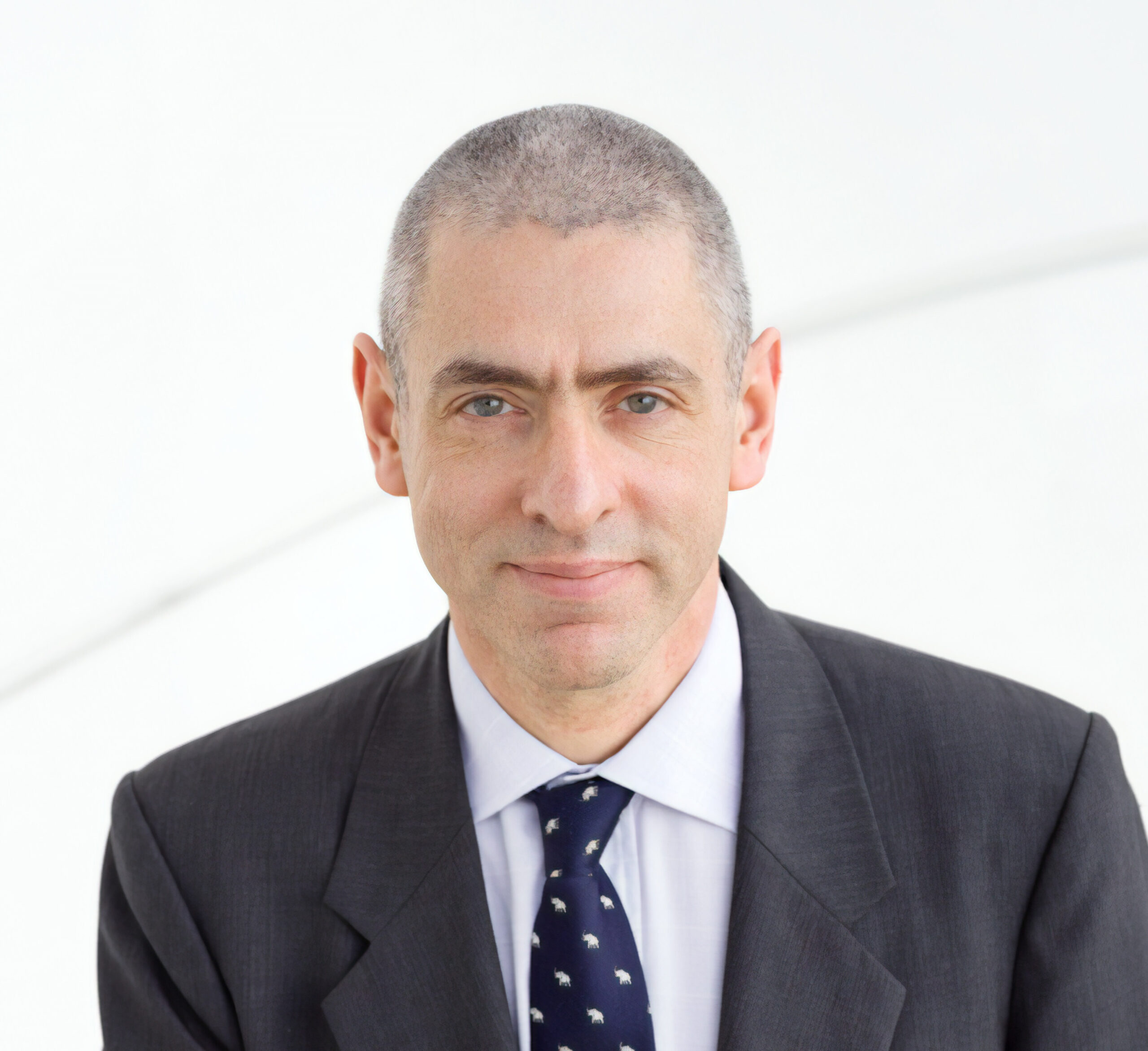
Prof. Peter Dayan
Co-Principal Investigator
Peter and Tobias are directing the theory component of the collaboration. They will build optimal and heuristic models to characterize and unpack the behaviour of our various human and non-human participants to elucidate underlying cognitive and neural mechanisms.

Ahmed Abdelrazik
PhD Student
Ahmed is working with Peter on computational models of decision-making to investigate the mechanisms underlying obsessive-compulsive disorder (OCD), with indecisiveness as a behavioural signature. He develops normative and generative models to characterize candidate deviations from optimal information gathering and decision timing, and uses these models to identify the cognitive mechanisms underlying altered decision-making in OCD.
Bengaluru – National Institute of Mental Health and Neuro Sciences (NIMHANS)
The Nationla Institute of Mental Health and Neuro Sciences is a leading institution for mental health and neuroscience research, clinical care and education in India. Within Deciding2Decide, the Bengaluru team conducts clinical and neuroimaging research in OCD and schizophrenia, contributing to the project’s cross-cultural investigation of the neural mechanisms underlying decision-making biases.
Prof. Shyam Sundar Arumugham
Co-Principal Investigator
Shyam is a Professor of Psychiatry at NIMHANS, Bangalore, with expertise in OCD. He leads the project at the Indian site and will be collecting clinical, cognitive, and neuroimaging data from patients with OCD, schizophrenia, schizo-obsessive disorder, and healthy controls.

Sreeraj Vanteemar Sathyanarayana
PostDoc
Sreeraj is an Associate Professor of Psychiatry at NIMHANS, Bangalore, with expertise in Schizophrenia. He will be coordinating the clinical, cognitive, and neuroimaging components in human subjects at the Indian site.

Sherine Victoria
PhD Student
Sherine's work in the project will involve collecting clinical, cognitive, and neuroimaging data from individuals with OCD and neurotypical controls. Her PhD research investigates how feedback valence influences model-based learning in OCD, using computational modelling to characterise learning processes and EEG to characterise the underlying neural mechanisms

Priyavarshini Boopathy
PhD Student
Priyavarshini contributes to the collection of clinical, cognitive, and neuroimaging data in schizophrenia, schiz–obsessive, and healthy control populations.
Hamburg – University Hospital Hamburg-Eppendorf (UKE)
The University Medical Center Hamburg-Eppendorf is a major academic medical centre with internationally recognised expertise in psychiatric and psychological research. Within Deciding2Decide, the Hamburg team focuses particularly on developing and evaluating interventions targeting cognitive and decision-making biases in OCD and schizophrenia.

Prof. Lena Jelinek
Co-Principal Investigator
Lena is a clinical psychologist, psychotherapist, and Professor of Clinical Psychology at the University Medical Center Hamburg-Eppendorf. Her research focuses on developing and implementing innovative psychological treatments and improving access to effective mental health care.

Jakob Scheunemann
PostDoc
Jakob is a clinical scientist at the University Medical Center Hamburg-Eppendorf. He works as a CBT therapist on a specialized ward for OCD and anxiety disorders and conducts basic research as a postdoctoral researcher. His work focuses on bridging clinical practice and basic research in both OCD and psychosis.

Jonas Petter
PhD Student
Jonas is a PhD student and cognitive behavioral therapist in training at the University Medical Center Hamburg-Eppendorf. Clinically, he works primarily with people with psychosis, using Metacognitive Training. His PhD research focuses on developing and applying novel statistical methods, such as network analysis, in psychotherapy research.
Barcelona – Institut d'Investigacions Biomèdiques August Pi i Sunyer (IDIBAPS)
The August Pi i Sunyer Biomedical Research Institute is a leading biomedical research centre in Barcelona, combining basic, translational and clinical research. Within Deciding2Decide, the Barcelona team investigates the neural and dopaminergic mechanisms of information gathering and decision-making using animal models, helping to establish causal links between brain mechanisms and behaviour.

Jaime de la Rocha
Co-Principal Investigator
Jaime uses rodent models to investigate how dopamine release in the prefrontal cortex contributes to evidence accumulation and the decision of when to commit to a choice.

Thomas Morvan
PostDoc
Thomas develops and runs a mouse task in which animals accumulate visual evidence while running down a corridor in a fully automated, group-housed facility. Within Deciding2Decide, he uses it to measure how much evidence a mouse samples before committing to a choice (jumping to conclusions versus indecisiveness) as a quantitative phenotype for models of schizophrenia and OCD.

Lucía Sánchez Córdoba
PhD Student
Lucía is working in the refinement of the variants of the information-gathering task to better reproduce the jumping-to-conclusions and indecisiveness phenotypes in mice. She will later use fiber photometry and optogenetics to record and manipulate dopamine release in the prefrontal cortex and striatum, to validate the neural mechanisms under these decision-making biases.